28 September 2026
From Monday 14 to Friday 18 September, the students from the Wind Energy meets Hydrogen minor went on a field trip to Denmark. As they do every year, the group took part in a multi-day programme focusing on renewable energy, particularly wind energy and hydrogen. As well as providing a good introduction to the sector, the trip naturally also offered plenty of opportunity to get to know one another and for team building.
The group went on excursions over the course of three days. The first day was spent at the Nordic Folkecenter for Renewable Energy, where the students learnt about the history of wind energy in Denmark. In the afternoon, they were given a guided tour which also showcased other forms of renewable energy, such as solar and wave energy, as well as bio-based construction techniques.
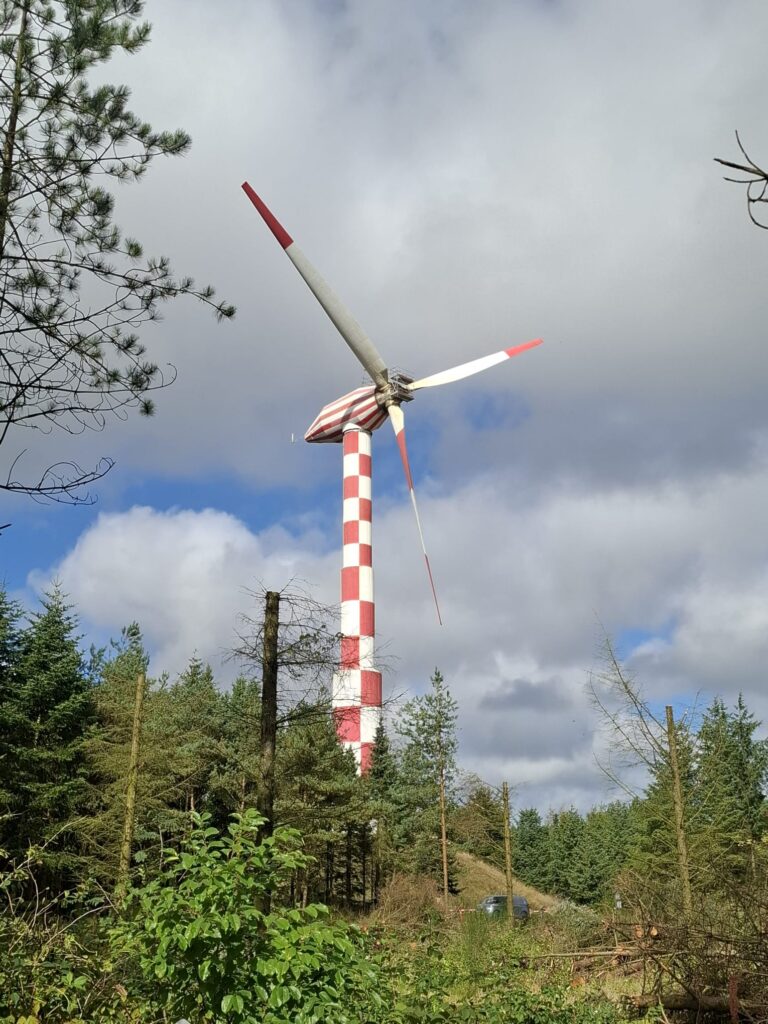
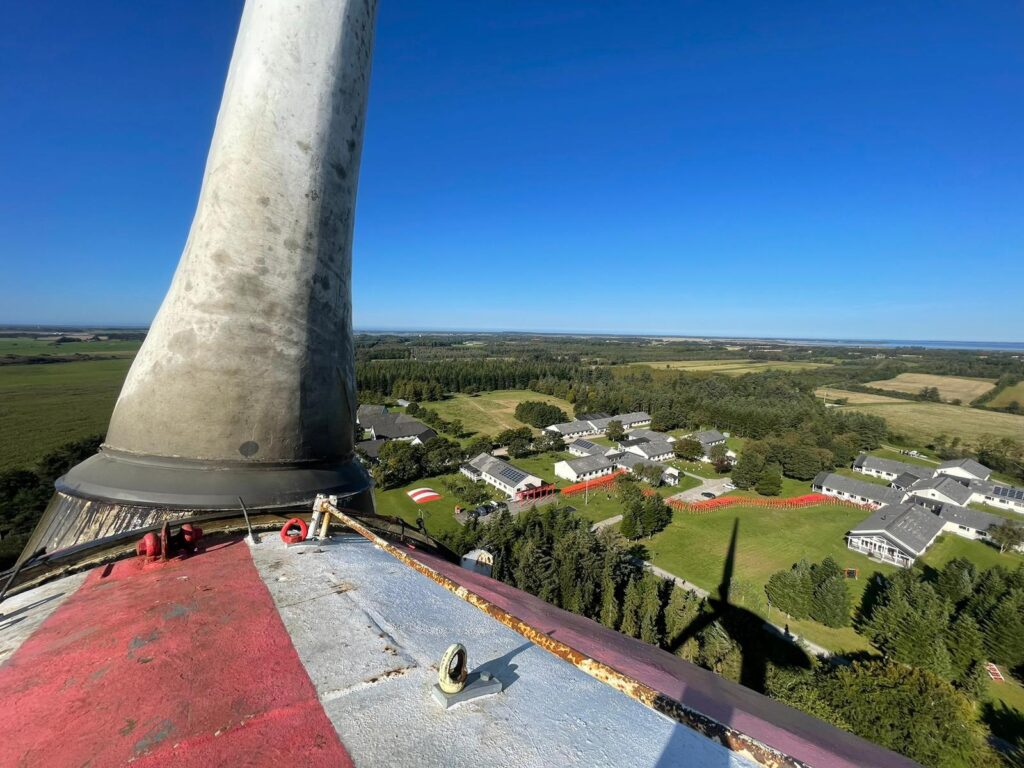
On day two, Tvindkraft · The world’s oldest operational wind turbine · Denmark was on the programme. During the oil crisis of the 1970s, a group of people came together here to demonstrate that sustainable options for energy generation were possible. There was an inspiring story about the need for pioneers who, despite resistance, dare to build a sustainable future. The result is the oldest wind turbine still in operation, which has been generating electricity since 1978! All the students were also given the chance to look inside the wind turbine and even climb to the top to enjoy the beautiful view from a height of 53 metres.
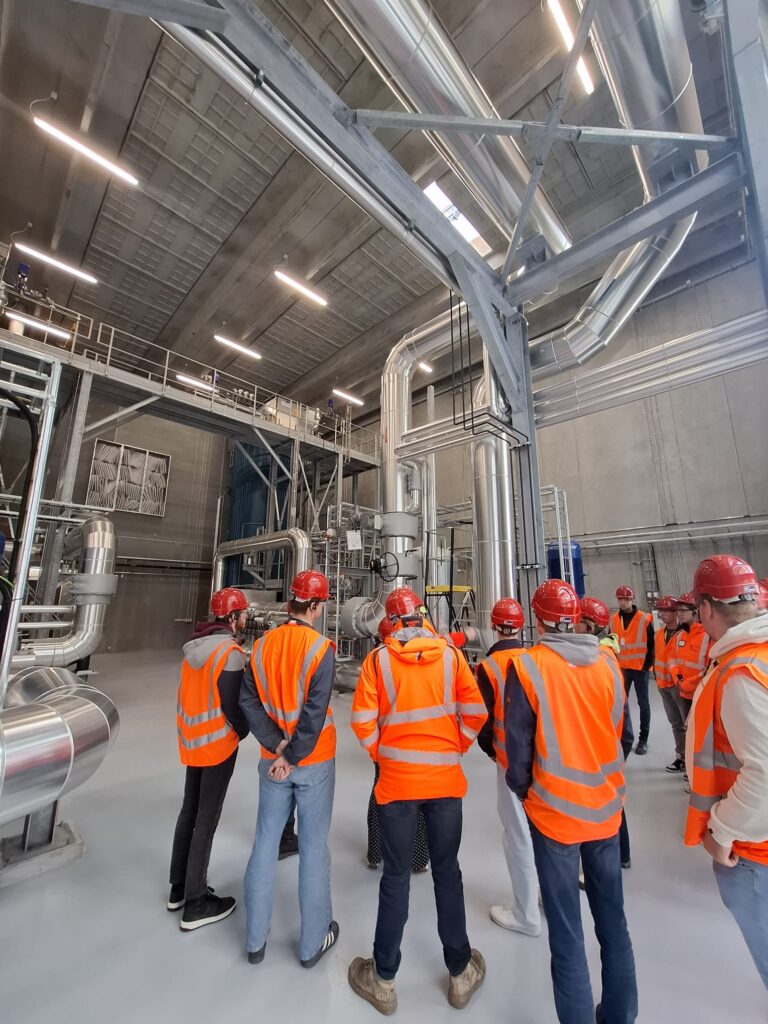
Last on the agenda was the utility company Aalborg Forsyning. This is the utility company responsible for the sustainable generation of district heating. The company is undergoing a transition and is developing, amongst other things, a seawater-powered heat pump, electric boilers that convert wind energy into heat, a thermal battery for heat storage, sustainable use of waste heat, and the FjordPtX project. Hydrogen production plays a central role in this project, and an ecosystem is also being built for the port, Aalborg Forsyning, and innovative companies specialising in energy generation, storage and management. This ecosystem is quite unique and a valuable place for the students to visit. Here, the students gain a good understanding of how Entrance’s hydrogen research contributes to sustainable solutions in practice.
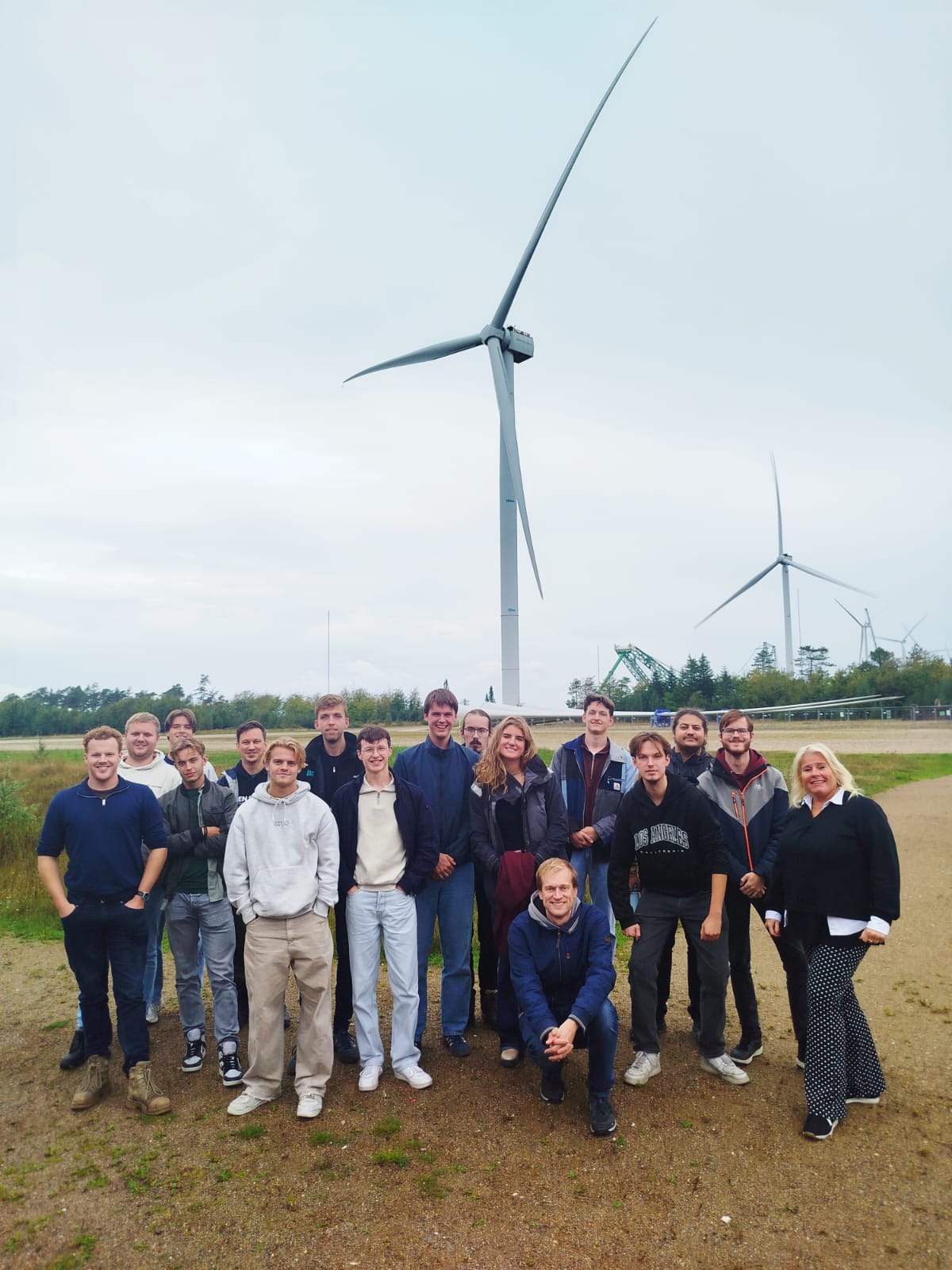
On the return journey, the Test Centre Østerild (dtu.dk) was on the itinerary as a visit. This is where the latest and largest offshore wind turbines are built and tested. It is always an impressive experience for the students to stand beneath a turbine with a rotor diameter of 276 metres and a maximum tip height of over 300 metres. This gives them a good sense of the scale of offshore wind.
All in all, it was an intensive but very successful week for the students and lecturers. If you would like to know more about the Wind Energy meets Hydrogen Minor, please contact Niels Adema at ni.c.adema@pl.hanze.nl.