Green Hydrogen and Electrons for Carbon-based Chemistry
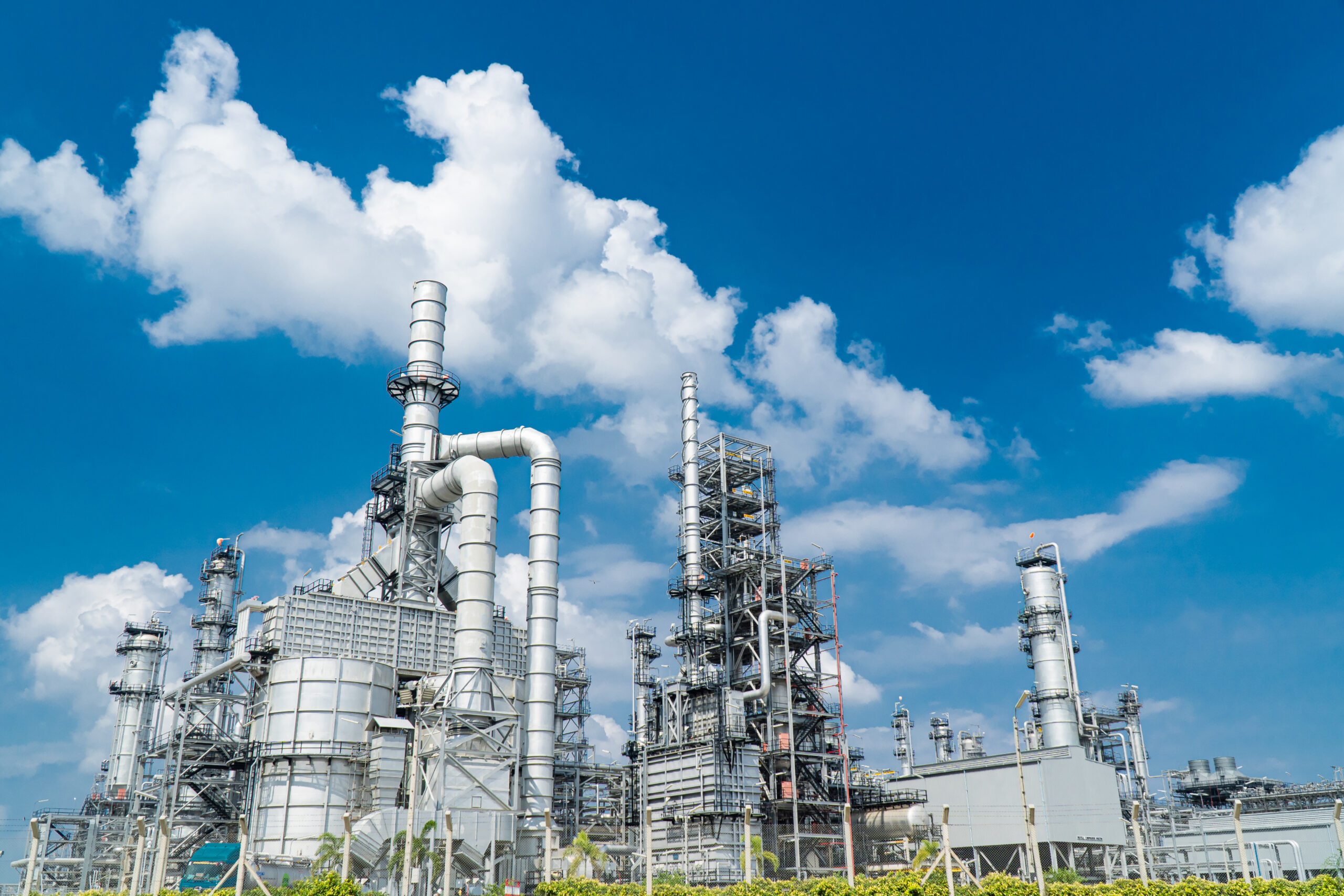
Carbon-based chemicals are everywhere: in our homes, in our vehicles and in our workplaces. However, the chemical industry currently heavily relies on fossil resources, producing large CO2 emissions. As the demand for carbon-based materials continues to rise, new sustainable carbon sources are essential. HyCARB addresses this challenge by developing technologies that reuse CO₂ as a renewable carbon source, powered by green hydrogen and renewable electricity. This approach reduces emissions, increases circularity and supports the broader Dutch and European climate goals.
HyCARB is a national innovation programme that brings together universities, research institutes and industry partners to develop new technologies for converting captured CO₂, green hydrogen and renewable electricity into sustainable fuels and chemicals. With more than 100 researchers and 45 partner organisations, HyCARB strengthens the Netherlands’ position as a leader in circular carbon chemistry and supports the transition to a climate neutral chemical industry.
HyCARB focuses on a full chain of CO₂‑conversion technologies. This includes catalytic processes that turn CO₂ and hydrogen into fuels and essential chemical feedstocks, electrochemical systems that convert CO₂ using electricity, and electrified reactors designed to replace fossil‑based heating. All technologies are designed to work with intermittent renewable energy, ensuring compatibility with future energy systems.
A major part of the project is dedicated to system integration. HyCARB develops digital twins and modelling tools to understand how these technologies behave under real‑world conditions, and it builds pilot‑scale demonstrations to validate performance outside the laboratory. This includes a containerised e‑methane unit that operates directly on fluctuating solar and wind power.
Entrance plays a central role in the fourth research line (task D), bringing HyCARB technologies into practice. At our living lab, researchers test CO₂‑conversion systems under realistic energy conditions, using data from weather forecasts, energy markets and on‑site renewable production. Entrance also leads the Life Cycle Assessment (LCA) for the e‑methane pilot and contributes to the Techno‑Economic Analysis (TEA), offering partners clear insight into the environmental impact and cost competitiveness of each technology.
By combining pilot data, predictive models and sustainability analysis, Entrance helps the consortium determine which CO₂‑conversion pathways are most promising for industrial scaling.
By the end of the four-year project, HyCARB will have delivered a new generation of sustainable CO₂‑conversion technologies ready for pilot‑scale deployment. This includes advanced catalysts, electrolysers and electrified reactors that retain high performance even when powered by variable renewable energy. The project will also produce fully validated digital twins and detailed LCA/TEA studies, providing industry and policymakers with reliable guidance for future investments.
Beyond technical advances, HyCARB strengthens the Dutch innovation ecosystem. The project stimulates new business opportunities in catalyst development, electrochemical systems, CO₂‑capture materials and electrification equipment, while training a new generation of engineers and researchers in circular carbon technologies. Together, these outcomes support economic growth, improve sustainability and position the Netherlands as a European frontrunner in green chemistry and hydrogen‑powered industry.
HyCARB is a GroenvermogenNL project. The grant is provided by NWO.
Duration: February 2026 – December 2030
Total project budget: € 45.666.546
Budget Entrance: € 1.100.000
Location: the Netherlands
Partners: 9 universities, 5 universities of applied sciences, 2 research institutes, 29 companies. TNO is lead partner.
Themes:
Renewable Fuels and Sustainable Gas
Industrial Transformation
Professorships involved:
Life Sciences and renewable energy
Industry partners:
Blue Circle Olefins, Brabetech, Brusche Process Technology, Circonia Circular Energy, DOPS Recycling Technologies, Dr Ten, FeyeCon D&I, Fluidwell, Leiden Probe Microscopy, NEM Energy, On2Quest, Power to Power, Avantium Chemicals, Bruker, Johnson Matthey, Ketjen Netherlands, LyondellBasell, Nobian, Repsol, SCW Systems, SGL Fuel Cell Components, Shell, Sitech Services, Skytree, SolydEra SpA, T.EN Netherlands, Thermo Fischer Scientific, Toyota Motor Europe,
Universities and research institutes:
Avans, TU Eindhoven, Fontys, HAN, Hanze, Universiteit van Leiden, NWO-i (DIFFER), Rijksuniversiteit Groningen, Saxion, TU Delft, TNO, Universiteit van Amsterdam, Universiteit van Maastricht, Universiteit van Twente, Universiteit van Utrecht, Wageningen Universiteit en Wageningen Research.
The future of the transition to sustainable energy.
Developing an innovation roadmap for small-scale wind energy, commissioned by TKI Urban Energy.
Which policy instruments can European cities utilize to promote the implementation of Positive Energy Districts?
How can the Dutch energy market be organized, in order that it joins the changing energy system? This is a central question at the project MODES (Market Organization of the Dutch Energy System).